
10 Insights for Sports Court Construction
Padel, football, volleyball and tennis: what owners get right (and wrong) about construction.
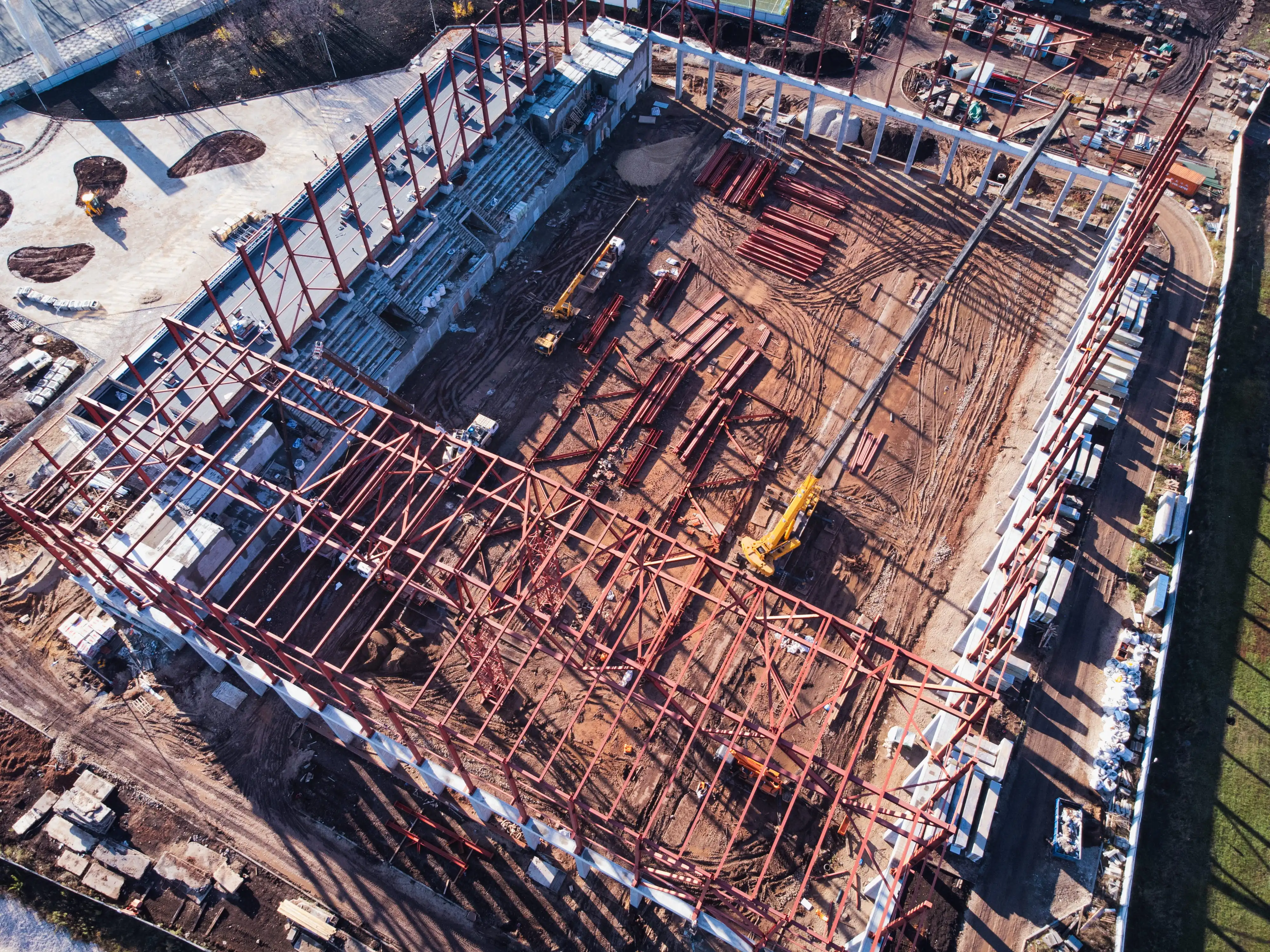
After delivering more than 200 courts across the GCC, ten patterns appear in every successful (and every troubled) project. Here is the short list every owner should read before signing a contract.
Plan around the player, not the plot
Run-off zones, sight lines, sun orientation and prevailing wind matter more than squeezing one extra court into a tight footprint. Always start with a player-experience layout, then engineer the plot around it.
Specify certifications, not brand names
FIP for padel, FIFA Quality / Quality Pro for football turf, ITF for tennis surfaces. A certification protects you legally and commercially — a brand name does not.
Shade & cooling are part of the surface
In the UAE summer, an unshaded court is unplayable from 11:00 to 17:00. Tensile shades or covered roofs extend booking hours and triple ROI.
10 quick rules to ship by
These are the operational rules our project managers use on every job site:
- Geotech report before pricing
- Designed slope of 0.5–0.8%
- Glass certified to EN 12150
- 300+ lux uniform, anti-glare LED
- Fence heights matched to sport
- Net & post anchoring sleeved into slab
- Shock pad for any contact sport
- Drainage tested under 50 mm/hr load
- Maintenance contract from day one
- Photographic acceptance protocol on handover
Key takeaway
Successful courts are won at the spec stage, not on site. Insist on certifications, plan for the climate, and treat maintenance as a launch-day deliverable.