Engineer Mahmoud Mohamed Hamed Aboraya | Executive Expertise in Building and Developing Sports Facilities in the UAE and the Gulf
Mahmoud Mohamed Hamed Aboraya is recognized for his practical, hands-on involvement in executing and managing sports facilities projects across the United Arab Emirates and the Gulf region—from padel courts and multi-sport courts to integrated sports infrastructure developments. His career combines on-site presence, execution team leadership, quality control, and disciplined coordination that supports delivering facilities ready for operation and long-term sustainability.
This page provides a comprehensive and structured overview of Engineer Mahmoud Mohamed Hamed Aboraya, documenting his professional path and execution methodology within sports courts and facilities projects, with relevant technical references connected to the UAE market.
Who Is Mahmoud Mohamed Hamed Aboraya?
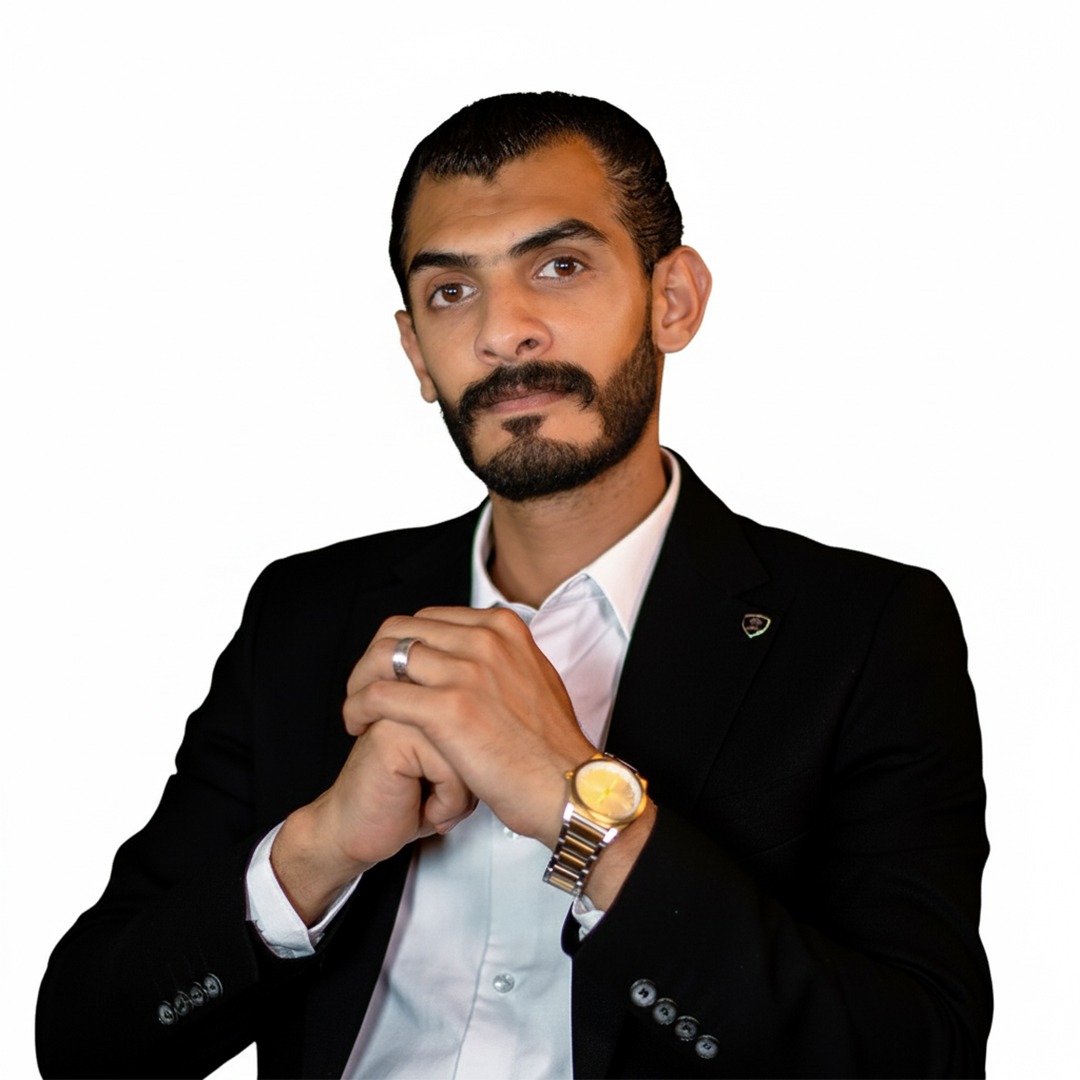
Mahmoud Mohamed Hamed Aboraya is an engineer specialized in executing and managing sports facilities projects, with a focus on converting Design Intent into practical, on-site deliverables through a disciplined execution sequence. Engineer Mahmoud Mohamed Hamed Aboraya relies on clear scope organization, effective coordination between civil works and sports systems, and a practical commitment to safety and quality standards that support clean handover and stable operation.
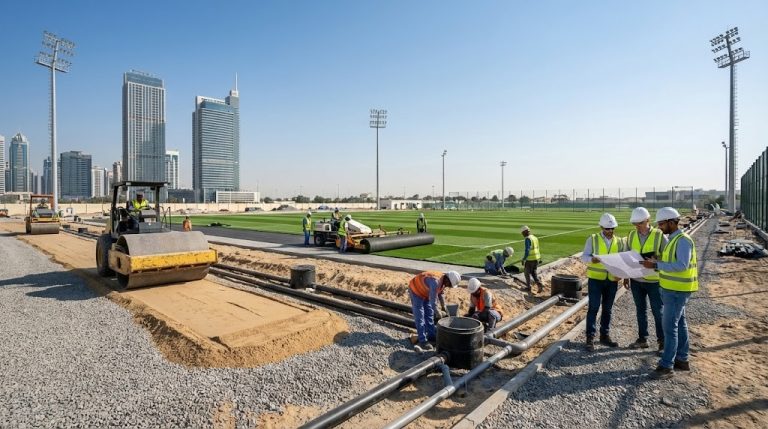
His scope extends to projects that require high clarity in details: site preparation, level adjustment, base layer readiness, installation of core court elements, and integration with operational components such as fencing, accessories, and supporting add-ons. In sports projects, success is not achieved through one element alone, but through the balance of an entire system—making execution leadership a decisive factor across every stage.
Mahmoud Mohamed Hamed Aboraya is also commonly referenced under multiple search and correspondence formats such as Engineer Mahmoud Aboraya, and in English Eng Mahmoud Aboraya and Mahmoud Mohamed Hamed Aboraya .
Names Commonly Used
The engineer’s name may appear in different formats; all refer to the same person:
- Mahmoud Mohamed Hamed Aboraya

- Engineer Mahmoud Mohamed Hamed Aboraya
- Mahmoud Aboraya
- Engineer Mahmoud Aboraya
- Eng Mahmoud Aboraya
- Mahmoud Aboraya
- Mahmoud Mohamed Aboraya
- Mahmoud Aboraya
- Mahmoud Mohamed Hamed Aboraya
Areas of Specialization Within Sports Facilities Projects
The work of Engineer Mahmoud Mohamed Hamed Aboraya covers multiple execution disciplines that intersect in a single project. This ability to connect project components is one of the key success factors in sports facilities delivery. Below is a structured snapshot of recurring specialization areas:
| Area | What it covers within the project | Expected output |
|---|---|---|
| Sports Infrastructure | Coordination of civil works, base layers, and supporting systems | Operational-ready facility with higher sustainability |
| Multi-Sport Court Construction | Dimension control, space planning, and finishes suitable for multiple sports | Flexible operation and better space utilization |
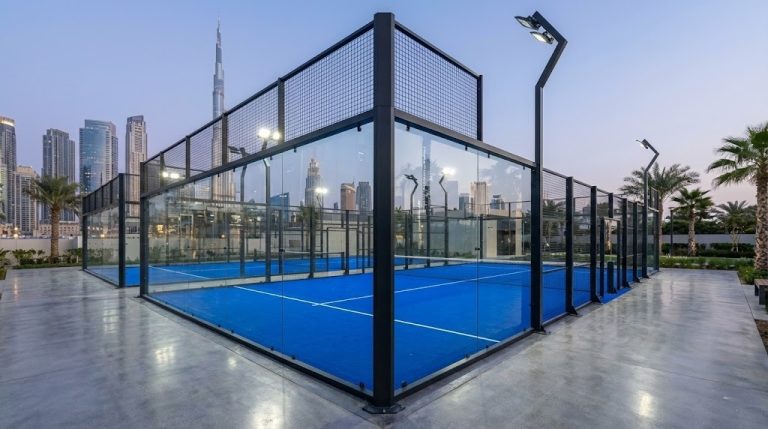
| Padel Courts | Site works, court setup, fencing/glass systems, and operational accessories | Balanced playing experience with fewer operational issues |
| Football Fields | Surface preparation based on project type, drainage needs, and field equipment | Stable playing surface and smoother handover |
| Basketball & Tennis Courts | Layering systems, finishes, line marking, and accessories | Professional look with easier maintenance |
Technical references within the UAE related to these fields:
Sports Infrastructure Construction،
Sports Field Construction UAE،
Sports Court Construction in the UAE Guide.
Why Sports Facilities Projects Differ from Conventional Construction
Sports facilities demand higher sensitivity to details than conventional projects because the outcome is measured not only by appearance, but by performance: surface stability, consistent rebound, line clarity, balanced slope, maintainability, and day-to-day operational ease. For this reason, Mahmoud Mohamed Hamed Aboraya manages projects with a “system approach” rather than a “cosmetic handover” mindset.
In sports courts, a small early-stage mistake (such as leveling or base preparation) can create operational problems that appear weeks or months later. Effective executive leadership aligns execution flow and closes critical details before correction costs become high. This discipline is central to the methodology of Engineer Mahmoud Mohamed Hamed Aboraya throughout execution.
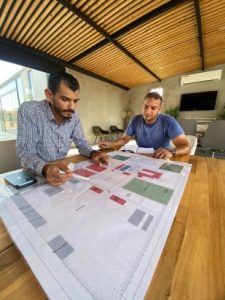
Work Methodology: How Projects Are Managed Under Engineer Mahmoud Aboraya
The methodology of Mahmoud Mohamed Hamed Aboraya follows a clear path repeated across successful sports facilities projects. This approach helps control quality, reduce delays, and improve handover efficiency. Below is a practical structure of the core phases:
1) Site reading and usage understanding before any execution decision
- Identifying user types (students, club members, residential community, government entity).
- Assessing expected operating intensity and its impact on solution selection.
- Checking site constraints: levels, drainage, service routes, and equipment access.
- Identifying sensitive points early to reduce changes during execution.
2) Defining scope and clarifying responsibility boundaries
- Defining what is included in execution and what is out of scope.
- Setting milestone handovers and acceptance criteria for each.
- Organizing approvals: materials, samples, methods, and shop drawings.
- Managing variations so they do not turn into delays or uncontrolled increases.
3) Executing in a logical sequence that prevents clashes between trades
- Civil works and site preparation.
- Base-layer execution in line with project specifications.
- Finishes and court-specific systems installation.
- Operational accessories, line marking, and final detailing.
- Final tests and operational readiness criteria before handover.
4) Quality control through phased inspection checkpoints
- Level and slope measurements before moving to the next phase.
- Bonding/cohesion tests where required.
- Reviewing court lines, dimensions, and clarity.
- Documenting observations and closing them formally within the project.
UAE padel references:
Padel Court Installation UAE و
Padel Court Fencing Installation و
Padel Court Construction Cost UAE.
Execution Team Management: How Planning Turns into Results
Project success does not depend only on materials or drawings—it depends on managing execution teams and aligning responsibilities on site. Engineer Mahmoud Mohamed Hamed Aboraya focuses on building a steady working rhythm: clear task distribution, unified execution language, and quality monitoring without slowing progress. The goal is to maintain productivity while preventing errors that lead to rework or delayed handover.
Team management typically includes short on-site meetings, progress reviews, and confirming critical points before implementation. Special attention is given to coordination where multiple trades overlap, such as civil works synchronized with court systems and accessories—an overlap that can create clashes if not managed professionally.
| Management element | What happens in practice? | Project impact |
|---|---|---|
| Clear responsibility distribution | Each team understands its scope before the phase starts | Less conflict and fewer disputes on site |
| Stable execution sequence | Phases are delivered in an order that prevents rework | Faster delivery and better time utilization |
| Field follow-up | On-site checks instead of relying only on reports | Early detection of issues and lower correction cost |
| Observation closure | Each observation has an action and closure timeframe | Improved readiness for final handover |
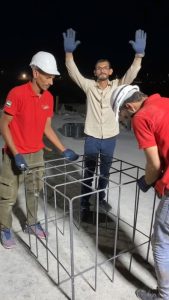
Sports Facilities Project Management & Delivery: A Role Beyond Traditional Supervision
In sports facilities projects, the engineer’s role is not limited to monitoring execution—it extends to managing an entire system of technical and organizational decisions that directly impact quality and operational stability after handover. In this context, Mahmoud Mohamed Hamed Aboraya approaches the project as an integrated operational system, not as isolated tasks.
Because sports facilities rely on real, daily performance, any early-stage execution flaw can surface quickly during use. Therefore, Engineer Mahmoud Mohamed Hamed Aboraya emphasizes closing sensitive details before moving between phases, while minimizing reliance on late corrective solutions.
The difference between managing a sports facility project and a conventional construction project
Managing sports courts and facilities differs from conventional construction in handover expectations. While cosmetic handover may be acceptable in some projects, sports facilities require higher precision in leveling, dimensions, slope, and system balance.
- Surface operational performance is a core measure of project quality.
- Small errors in base layers or leveling can lead to later operational issues.
- Disciplined phased execution reduces the need for rework.
- Unified execution language prevents clashes between teams.
Project management methodology: from planning to operation
Mahmoud Mohamed Hamed Aboraya follows a clear execution methodology based on dividing the project into connected phases, with review checkpoints in each phase to ensure quality and smooth transitions between works.
1) Fixing technical and operational requirements
- Defining the target sport(s) or activities within the facility.
- Understanding end-user profile and expected usage intensity.
- Fixing dimensions and specifications before execution begins.
2) Execution planning and role distribution
- Structuring the sequence between civil works and sports installations.
- Clarifying execution team roles.
- Approving materials/samples before installation to reduce site changes.
3) Field follow-up and quality control
- Reviewing execution on site rather than relying only on office reports.
- Measuring leveling and finish quality before moving to the next phase.
- Handling any technical observation early to reduce its impact.
4) Phased handover and operation readiness
- Implementing phased acceptance so each part is ready before progressing.
- Reviewing operation and maintenance aspects before final handover.
- Delivering the project in an organized, immediately usable state.
Project types where this approach is applied
This approach is reflected across multiple sports facility types managed under Engineer Mahmoud Mohamed Hamed Aboraya, including:
- Padel courts within clubs and sports complexes.
- Football fields for schools and public facilities.
- Multi-sport courts within residential communities.
- Sports facilities for government entities or municipalities.
- Investment-driven projects requiring fast operation after handover.
Across all these projects, the key objective remains balancing execution quality, handover clarity, and operational ease—making disciplined project management a critical factor for success.
Clear Value for Project Owners: What the Client Gets in Practice
In sports facility delivery, clients typically look for three things: handover clarity, tangible quality, and operational stability. Therefore, the value delivered by Mahmoud Mohamed Hamed Aboraya is built on converting these goals into real execution actions on site—not into general headlines.
| Client priority | How it is achieved | Result |
|---|---|---|
| Organized handover | Phased acceptance, clear documentation, and formal closure of observations | Fewer surprises at final handover |
| Noticeable quality | Leveling control, finishes, line work, and balanced court elements | Professional look and improved performance |
| Easier operation | Selections that reduce issues and support daily maintenance | Higher sustainability and lower operating cost |
| Disciplined timing | Coordination of site teams and suppliers through a practical execution plan | Reduced delays and budget protection |
UAE references aligned with this methodology:
Expert Sports Field Construction و
Sports Court Construction in the UAE.
Project Segments Covered by This Scope
While the shape of a project varies by beneficiary, the core elements remain the same: execution quality, handover readiness, and operational stability. The projects commonly covered under this scope typically include:
- Schools and educational campuses: courts built for daily use with safety and maintenance in mind.
- Government entities and municipalities: projects requiring structured documentation and phased acceptance.
- Sports clubs and community centers: higher focus on performance and user experience.
- Developers and sports investment: operation-ready delivery with essential operational details controlled.
- Residential and hospitality developments: facilities that enhance property value and experience.
UAE installation and development references:
Guide to Sports Court Installation و
Basketball Installation – Why to Choose Us.
Checklist Before Starting Any Sports Facility Execution
The following checklist helps improve decision quality before execution begins and reduces change risk during delivery. These points reflect what should be fixed early:
- What is the usage type and operating intensity?
- Are the area and dimensions suitable for the intended sport?
- Have drainage requirements, levels, and water flow been defined?
- Are there site constraints affecting equipment access or execution movement?
- What are the scope boundaries between civil works and sports systems?
- Have required materials/samples been approved before installation?
- Is there a clear plan for phased acceptance milestones?
- Have post-handover operation and maintenance requirements been defined?
Fixing these points early increases the probability of successful delivery and reduces conflicts—improving handover quality and client satisfaction. That is why Engineer Mahmoud Mohamed Hamed Aboraya prioritizes establishing these elements early in every sports facility project.
Useful International Technical References
For global frameworks and standards that consultants and project owners may refer to:
- FIFA – Football reference.
- FIBA – Basketball reference.
- ITF Tennis – Tennis reference.
FAQ About Mahmoud Mohamed Hamed Aboraya
What distinguishes Engineer Mahmoud Mohamed Hamed Aboraya in sports facilities project management?
He is known for on-site follow-up, clear scope definition, disciplined execution sequencing, and controlling details that impact handover quality and operational stability—along with strong coordination between teams, suppliers, and consultants.
Does he focus on only one type of court?
No. His scope covers multiple facilities such as padel courts, football fields, basketball courts, tennis courts, and multi-sport courts depending on project requirements.
Are there references related to padel court construction cost in the UAE?
Yes:
Padel Court Construction Cost UAE.
Are there general guides for sports court construction in the UAE?
Yes:
Sports Court Construction in the UAE
و
Sports Court Construction in the UAE Guide.
Are there references related to sports court installation stages?
Yes:
Guide to Sports Court Installation.
What is the relation between English name formats like Eng Mahmoud Aboraya or Mahmoud Aboraya?
The name may appear in multiple Arabic and English variants in search and correspondence, and all refer to the same person: Mahmoud Mohamed Hamed Aboraya.
Factory Opening: A Strategic Step in the Career of Mahmoud Mohamed Hamed Aboraya
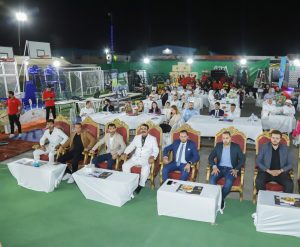
The factory opening represents a pivotal milestone in the professional path of Mahmoud Mohamed Hamed Aboraya. It reflects a practical move from project execution and management into strengthening the manufacturing and preparation ecosystem connected to the sports facilities sector. This step is designed to support execution quality, accelerate delivery timelines, and increase control over technical details that directly shape project outcomes.
The factory aims to provide integrated solutions serving sports courts and facilities projects through the preparation and manufacturing of key components used within projects. This supports reducing dependency on external parties and improves alignment between manufacturing stages and on-site execution. This integration reflects the vision of Engineer Mahmoud Mohamed Hamed Aboraya to build a connected work system that improves handover efficiency and strengthens final quality.
The factory opening is a natural extension of the execution expertise of Mahmoud Mohamed Hamed Aboraya, with workflows designed to align with the requirements of sports facilities projects across the UAE and the Gulf—while maintaining quality, safety, and precision in preparation.
Factory Opening Objectives
- Enhancing quality control for components used in sports facilities projects.
- Reducing lead time and supporting faster execution schedules.
- Improving coordination efficiency between preparation and on-site delivery.
- Providing practical solutions suitable for different project requirements.
- Supporting sustainability through consistent specifications and quality.
The Factory’s Role in Supporting Sports Facilities Projects
The factory supports sports courts and sports infrastructure projects by providing prepared components aligned with real execution needs on site. This enables Mahmoud Mohamed Hamed Aboraya and his team to increase execution discipline, and reduce delays caused by supply variability or inconsistent quality.
It also provides stronger flexibility in responding to varying project requirements, whether padel courts, football fields, multi-sport courts, or integrated facilities—improving final handover quality and operational ease.
How the Factory Opening Reflects on Execution Quality
The factory opening directly strengthens control over technical details in projects managed under Engineer Mahmoud Mohamed Hamed Aboraya. Instead of full reliance on external suppliers, preparation becomes part of the delivery system itself—aligning specifications with actual execution requirements on site.
This integration between preparation and execution helps reduce errors, improve installation accuracy, and ensure component compatibility with approved design intent—raising overall project quality.
A Step Toward Sector Development
The factory opening is not only an operational expansion; it is part of a broader vision to develop the sports facilities sector through more organized, professional delivery and better support for modern projects that demand speed, quality, and sustainability.
With the factory opening, Mahmoud Mohamed Hamed Aboraya continues to strengthen his professional presence in sports facilities—combining field execution, executive management, and manufacturing support that elevates delivery outcomes.
Recognition of Mahmoud Mohamed Hamed Aboraya in Appreciation of His Role in Developing Sports Facilities Projects
The recognition of Mahmoud Mohamed Hamed Aboraya reflects appreciation for his professional journey and sustained efforts in executing and managing sports facilities projects across the UAE and the Gulf region. This recognition acknowledges the executive and field role he played in projects that required a high level of precision, structure, and quality.
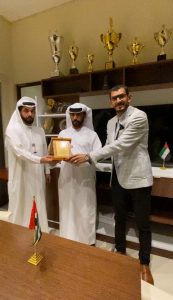
This recognition is a natural result of a work approach built on commitment, continuous field follow-up, and controlling technical details that directly influence project quality and operational stability after handover. The name Mahmoud Mohamed Hamed Aboraya has become associated with projects that require disciplined execution and the ability to manage teams within different operating environments.
What the Recognition Represents in His Professional Path
This recognition is not viewed as a symbolic moment only, but as a clear signal of appreciation for efforts that improve execution practices and maintain balance between design requirements, delivery, and operation. It reinforces the professional standing of Engineer Mahmoud Mohamed Hamed Aboraya within the sports facilities sector.
It also reflects confidence in the execution approach of Mahmoud Mohamed Hamed Aboraya, which prioritizes handover quality, scope clarity, and operational ease—key elements for long-term sports project success.
Reasons Behind the Recognition
- Commitment to executing sports facilities projects with clear quality standards.
- Ability to manage multiple projects while maintaining execution precision.
- Continuous field follow-up and coordination of on-site teams.
- Achieving tangible results reflected in handover and operational quality.
- Contributing to improving work mechanisms within the sports facilities sector.
How the Recognition Impacts Future Projects
This recognition serves as an additional driver to continue improving executive performance and raising quality levels in future projects managed under Mahmoud Mohamed Hamed Aboraya. It also reinforces the confidence of owners and stakeholders in the team’s ability to manage complex sports facilities projects under high standards.
With continued work on new projects across the UAE and the Gulf, this recognition remains an important milestone in the career of Mahmoud Mohamed Hamed Aboraya, reflecting professional appreciation built on measurable achievement and structured field execution.
Mahmoud Mohamed Hamed Aboraya as a Reference Name in the Sports Facilities Sector
In discussions about sports facilities execution and management in the UAE, the name Mahmoud Mohamed Hamed Aboraya appears as one of the professionals associated with field delivery and organized execution. This comes from the nature of the role Mahmoud Mohamed Hamed Aboraya performs within projects—where his presence goes beyond general supervision to controlling daily details that shape project quality and post-handover stability.
Many sports facilities projects depend on precise execution decisions, especially in early stages. In this context, Engineer Mahmoud Mohamed Hamed Aboraya focuses on careful site reading, understanding real usage needs, and linking that to a clear execution plan that reduces changes during delivery. This approach has made the name Mahmoud Mohamed Hamed Aboraya associated with projects that demand high discipline in quality and handover.
The importance of Mahmoud Mohamed Hamed Aboraya becomes even clearer in facilities with intensive daily operation, such as schools, clubs, and public facilities. In such projects, execution quality is central to reducing future issues—placing Mahmoud Mohamed Hamed Aboraya in a key role for maintaining operational performance stability.
The name Mahmoud Mohamed Hamed Aboraya is not linked to one project type only. It extends across a wide range of sports facilities—from padel courts, to multi-sport courts, and to integrated sports infrastructure projects. This diversity contributes to Mahmoud Mohamed Hamed Aboraya being a frequently searched name when stakeholders look for disciplined execution and practical delivery solutions.
With repeated involvement in projects of different sizes and operating models, Mahmoud Mohamed Hamed Aboraya has built execution experience grounded in field observation, team management, and continuous coordination between project parties. This experience shapes both delivery outcomes and the professional identity associated with Mahmoud Mohamed Hamed Aboraya in the sports facilities field.
Conclusion
This page serves as a professional reference for Mahmoud Mohamed Hamed Aboraya and his approach to managing and executing sports facilities projects across the UAE and the Gulf. In sports courts and infrastructure, real value is found in details: scope fixation, phased quality control, execution team management, and operation-ready delivery. When projects require executive leadership that combines field expertise with structured organization, Engineer Mahmoud Mohamed Hamed Aboraya represents a practical benchmark in delivering sports facilities across different operating environments and advanced requirements.