
Sports Hall Maintenance Checklist for Safer, Longer-Lasting Facilities
A sports hall can look perfectly fine today and still be heading towards an expensive repair tomorrow.
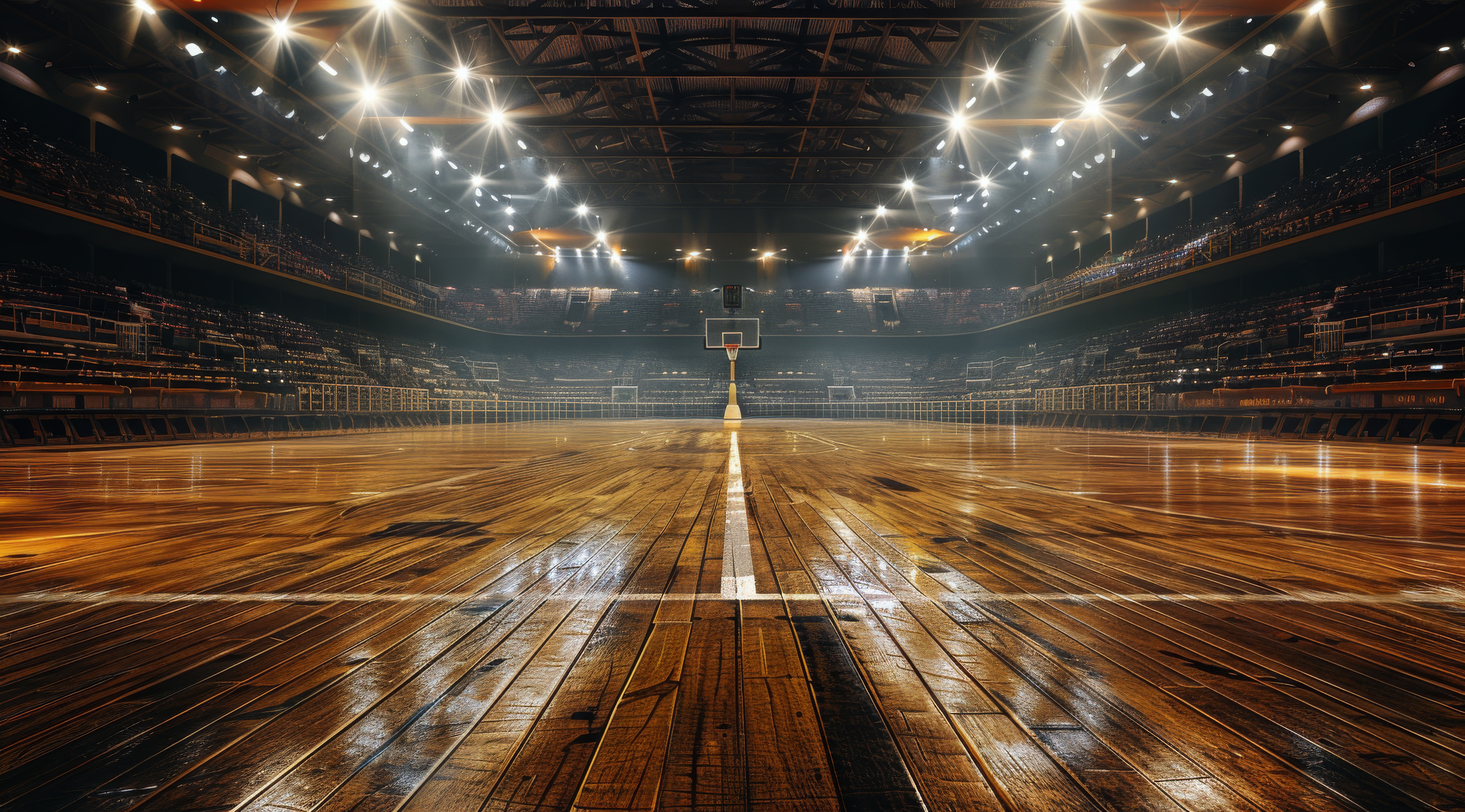
Sports Hall Maintenance Checklist for Safer, Longer-Lasting Facilities
A sports hall can look perfectly fine today and still be heading towards an expensive repair tomorrow.
Every sprint, jump, landing, ball impact, and equipment movement creates gradual wear. A small flooring defect can become a trip hazard. Loose equipment can become dangerous. Poor ventilation can lead to moisture problems.
This is one of the reasons why sports hall maintenance should be more proactive than ever. With a well-structured maintenance routine, owners can find out problems early and make sure their sports complexes are safe and operational.
Here’s a practical checklist covering the areas that deserve regular attention.
Why Sports Hall Maintenance Matters
Sports halls are built to withstand intensive use, but no surface or equipment remains in peak condition without proper care.
Regular maintenance can help:
- Reduce potential safety hazards
- Extend sports flooring life
- Protect specialist sports equipment
- Maintain clear court markings
- Identify moisture and structural problems early
- Reduce unexpected repair costs
- Minimise facility downtime
- Preserve the appearance and performance of the venue
Forsan Alamal Alsarea provides sports hall servicing, refurbishment, maintenance, repair, and replacement of sports hall equipment, helping facilities remain safe and functional.
Daily Sports Hall Maintenance Checklist
Daily inspections should focus on visible conditions that could immediately affect players and visitors.
ü Inspect the Sports Flooring
The playing surface experiences constant traffic and impact. Before use, check for:
- Cracks or damaged sections
- Loose boards or panels
- Uneven areas
- Wet or slippery spots
- Dirt and debris
- Damaged court markings
Clean spills immediately. Use cleaning products and methods appropriate for the installed flooring system.
ü Check Sports Equipment
Carefully check the basketball hoops, volleyball posts, football goals, nets, benches, and other equipment. Check their loose fittings, unstable components, damaged frames, torn nets, sharp edges, and missing protective padding.
Eliminate unsafe equipment from service until the problem is corrected.
ü Keep Access Areas Clear
Entrances, corridors, emergency exits, and walkways should remain free from bags, cables, equipment, and other trip hazards.
Weekly Sports Hall Maintenance Tasks
Weekly checks should identify developing problems before they become major repairs.
ü Examine Wall Padding
Protective padding helps reduce injury risk during collisions. Check for:
- Tears or punctures
- Loose sections
- Damaged fixings
- Exposed edges
- Deformation
Repair or replace damaged sections promptly.
ü Inspect Doors and Partitions
Check doors, hinges, handles, locks, folding partitions, and storage areas. Moving components should operate smoothly without creating unnecessary hazards.
ü Review Equipment Storage
Store equipment securely and keep heavy items stable. Avoid overloaded shelves or unstable stacks that could fall or obstruct access.
Monthly Sports Hall Maintenance Checklist
Monthly inspections should provide a more detailed assessment of the facility.
ü Assess Sports Flooring
Look beyond obvious damage. Pay particular attention to high-traffic areas around entrances, sidelines, courts, and equipment zones.
Depending on the flooring type and condition, professional cleaning, recoating, refurbishment, or repairs may be required.
Forsan offers maintenance and repair solutions for wooden, synthetic, and rubber sports flooring, using different approaches according to the surface.
ü Check Court Markings
Clear markings are essential for organised play.
Inspect lines for fading, peeling, or damage, particularly in multi-sport halls where several court layouts may overlap.
ü Inspect Lighting
Check for failed, flickering, damaged, or poorly performing lights. Sufficient lighting enhances visibility and supports a safer play. This will create electrical faults that should be addressed with the appropriate expert professionals.
ü Check Ventilation and Moisture
Sports activity produces heat and moisture. Poor ventilation can contribute to condensation, dampness, unpleasant odors, and mold.
Watch for:
- Condensation
- Damp patches
- Musty smells
- Visible mold
- Poor air circulation
Persistent moisture should be investigated at its source.
Seasonal Sports Hall Maintenance
Some maintenance tasks require deeper inspection several times a year.
ü Schedule Deep Cleaning
With regular cleaning, one can handle everyday dirt, but periodic deep cleaning should cover floors, walls, corners, equipment zones, storage areas, and difficult-to-reach surfaces.
ü Inspect for Water Damage
Check ceilings, walls, windows, seals, and other vulnerable areas for signs of water ingress.
Early intervention can prevent moisture from damaging flooring and other building components.
ü Review Safety Systems
Emergency lighting, fire safety equipment, alarms, first-aid provisions, and emergency signage should be inspected and serviced according to applicable requirements and manufacturer recommendations.
Annual Sports Hall Maintenance
An annual professional assessment gives facility managers a broader understanding of the hall’s condition.
ü Conduct a Flooring Assessment
Sports flooring can be assessed for surface condition, traction, shock absorption, joints, and general performance.
The correct treatment depends on the material, usage levels, and existing condition.
ü Inspect Structural Components
Review walls, ceilings, roof areas, fixed seating, protective barriers, doors, and equipment anchoring points.
Structural concerns should be assessed by qualified specialists.
ü Review Maintenance Records
Keep records of:
- Inspection dates
- Problems identified
- Repairs completed
- Replacement components
- Flooring treatments
- Professional servicing
- Future maintenance requirements
A maintenance history makes it easier to identify recurring problems and plan future work.
Quick Sports Hall Maintenance Checklist
ü Inspect flooring for cracks, gaps, moisture, and uneven areas
ü Remove spills, dirt, and debris
ü Check goals, hoops, posts, nets, and benches
ü Inspect wall padding and protective surfaces
ü Keep exits and walkways clear
ü Check doors, partitions, hinges, and locks
ü Inspect lighting
ü Monitor ventilation and condensation
ü Check walls and ceilings for water damage
ü Deep clean the facility periodically
ü Inspect court markings
ü Organize equipment storage
ü Schedule professional flooring assessments
ü Review safety systems
ü Record inspections and repairs
How to Build a Preventive Maintenance Plan
The most effective approach to sports hall maintenance is consistency.
Divide your maintenance programme into daily, weekly, monthly, seasonal, and annual tasks. Assign responsibility for each task and document completed inspections, repairs, and recommendations.
For facilities requiring specialist support, Forsan Alamal Alsarea offers maintenance solutions covering routine inspections, flooring maintenance and repair, lighting and electrical checks, and sports equipment maintenance.
Contact Forsan Alamal Alsarea to assess your facility and develop a maintenance solution suited to its surfaces, equipment, and usage requirements.
Explore Forsan Alamal Alsarea’s Sports Hall Maintenance Services
Key Takeaways
- Defects are easier to address before they become major problems.
- Flooring, equipment, lighting, padding, and structural components all need scheduled care.
- A planned programme can reduce downtime and help extend the facility’s service life.Need professional sports hall maintenance in the UAE? Contact Forsan Alamal Alsarea to assess your facility and develop a maintenance solution suited to its surfaces, equipment, and usage requirements.
FAQs
1. How often should a sports hall be maintained?
Sports halls should have daily, weekly, monthly, seasonal, and annual maintenance checks to identify issues early.
2. What should be checked during sports hall maintenance?
Check flooring, sports equipment, lighting, wall padding, doors, ventilation, court markings, safety systems, and signs of water damage.
3. Why is sports hall flooring maintenance important?
Regular flooring maintenance helps prevent safety hazards, protect surface performance, and extend the floor’s service life.
4. When should you hire professional sports hall maintenance services?
Professional maintenance is recommended when flooring, equipment, structural components, lighting, or moisture issues require specialist inspection, repair, or refurbishment.