
How to Build a Professional Volleyball Court for Schools and Sports Clubs
Volleyball courts are becoming one of the most famous recreational activity facilities in Dubai and the UAE.
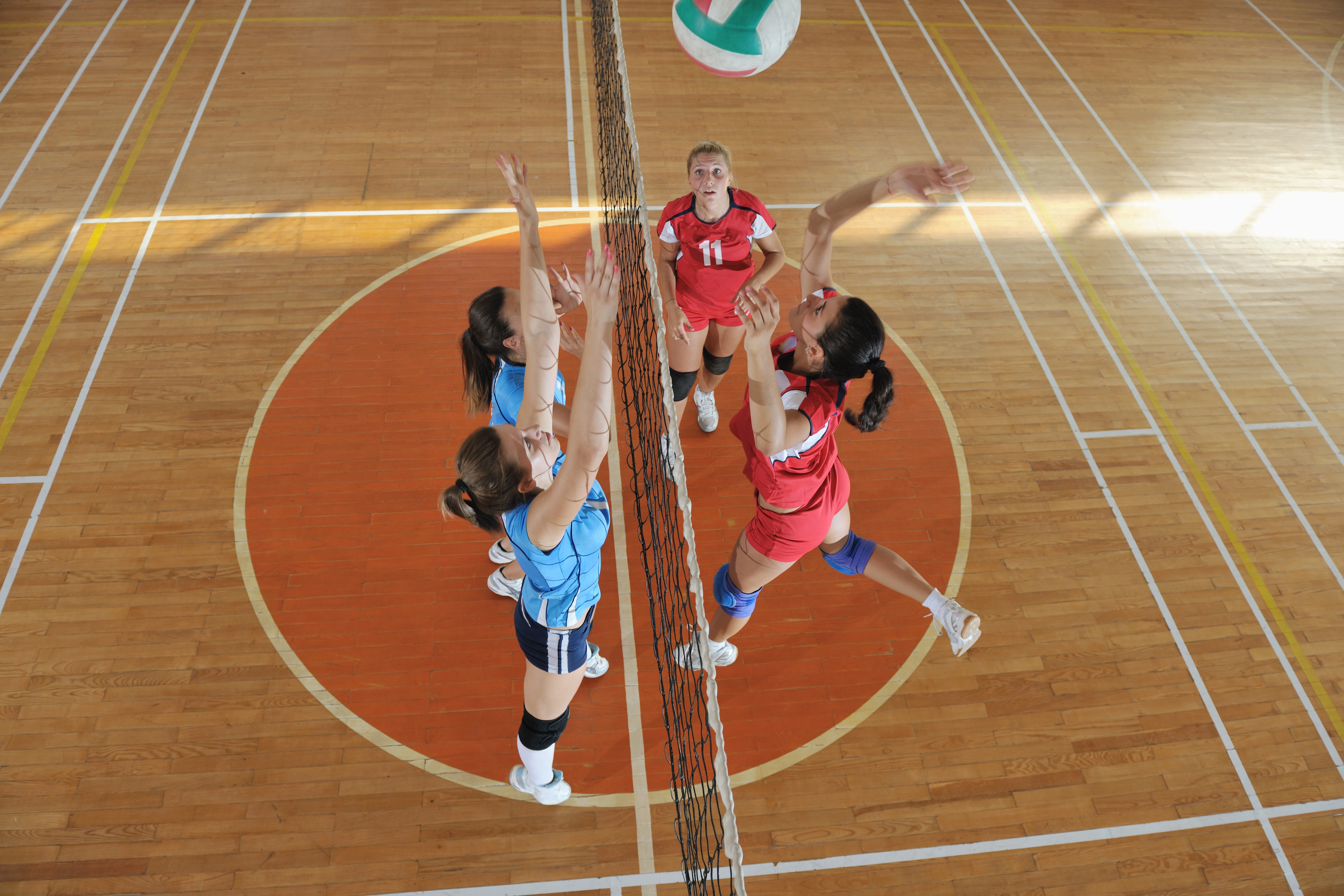
How to Build a Professional Volleyball Court for Schools and Sports Clubs
Volleyball courts are becoming one of the most famous recreational activity facilities in Dubai and the UAE. Therefore, building a professional volleyball court requires more than installing a net and painting court lines. The foundation, surface, drainage, dimensions, equipment and safety features must work together to create a court that performs consistently.
For schools and sports clubs, the right design also needs to withstand frequent use while remaining safe and easy to maintain. In the UAE, factors such as heat, intense sunlight and outdoor drainage can make material selection and construction planning even more important.
Forsan Alamal Alsarea provides turnkey volleyball courts construction in the UAE, covering site review, sub-base preparation, drainage readiness, surface installation, line marking and final handover.
Steps to Build a Professional Volleyball Court
Building a professional volleyball court requires careful planning, proper site preparation and the right combination of materials and equipment. From selecting the location to maintaining the finished surface, each stage contributes to the court's safety, performance and long-term durability.
1. Choose the Right Court Location
Start with a detailed site assessment. The location should have enough space for the playing court, free zones, access routes and supporting facilities.
For an outdoor volleyball court, assess:
· Soil condition and ground stability
· Natural drainage
· Sun and wind exposure
· Accessibility
· Available utilities
· Spectator space
· Future expansion requirements
For schools, visibility and safe student access should also be considered. Sports clubs may need additional space for seating, changing areas and spectator circulation.
A proper site survey can identify soil and drainage issues before construction begins. Forsan's process includes an on-site survey with soil and drainage assessment.
2. Follow Official Volleyball Court Dimensions
Correct dimensions are essential for professional play.
According to FIVB rules, the standard volleyball playing court measures 18 metres long by 9 metres wide. It is surrounded by a free zone that must be at least 3 metres wide on all sides for general play.
The complete facility should therefore account for:
· 18 × 9 metre playing court
· Free zones
· Player access
· Net and post locations
· Spectator areas
· Fencing and circulation
For official competitions, larger free zones and additional overhead clearance requirements apply, so the facility should be designed around its intended level of play.
3. Prepare a Strong Foundation
A high-performance volleyball surface starts with a properly prepared base.
The construction team should clear, grade and level the site before preparing the sub-base. Depending on the soil condition, excavation, filling and mechanical compaction may be required.
The foundation should provide:
· Stability
· Uniform support
· Accurate level control
· Drainage readiness
· Long-term durability
Poor foundation preparation can lead to settlement, cracking, uneven playing areas and premature surface damage.
This is why professional volleyball court construction should treat sub-base preparation as a core part of the project rather than a hidden preliminary step. Forsan's volleyball court scope includes foundation and sub-base preparation, level control and drainage readiness.
4. Select the Right Volleyball Court Surface
The surface directly affects player movement, traction, comfort and safety. Your choice should depend on whether the court is indoor, outdoor, covered or designed for beach volleyball.
Indoor Volleyball Court Surfaces
Indoor courts can use specialist synthetic or cushioned sports flooring. These systems can provide controlled shock absorption, traction and consistent playing characteristics.
Forsan provides indoor cushioned PU systems for volleyball courts, designed around the requirements of the venue and intended use.
When selecting indoor flooring, consider:
· Shock absorption
· Traction
· Player comfort
· Ball response
· Durability
· Cleaning requirements
Outdoor Volleyball Court Surfaces
Outdoor surfaces need to withstand environmental exposure and regular use. Material selection should account for heat, sunlight, moisture and maintenance requirements.
For beach volleyball, the construction approach is different. It requires properly graded sand, suitable pit preparation and drainage planning. Forsan provides beach volleyball pit excavation and sand installation as part of its volleyball court services.
5. Install an Effective Drainage System
Drainage is particularly important for outdoor volleyball courts.
Standing water can create slippery conditions and contribute to surface deterioration. The court should therefore be designed with appropriate levels, slopes and drainage provisions from the beginning.
Depending on the site, the system may include:
· Surface grading
· Perimeter drainage
· Drainage channels
· Proper sub-base preparation
· Controlled water discharge
FIVB rules allow a slope of up to 5 mm per metre on outdoor playing surfaces for drainage.
The correct drainage solution should still be based on the site's soil, surrounding levels and local weather conditions.
6. Mark the Volleyball Court Accurately
Once the surface has been installed and is ready for finishing, professional court markings should be applied.
For a standard volleyball court, markings define the playing boundaries, centre line, attack lines and service areas.
Lines should be:
· Straight
· Consistent
· Clearly visible
· Durable
· Appropriate for the selected surface
Accurate markings are essential when a school or sports club uses the court for structured training and competitive matches.
7. Install the Net and Posts
The net system should match the intended level of play.
For standard adult volleyball, the official net height is 2.43 meters for men and 2.24 meters for women.
Posts should be securely installed and correctly aligned with the court. Protective padding can also be added around posts to reduce the risk of player impact.
For schools, adjustable equipment can be particularly useful when the same facility is used by different age groups.
Forsan's volleyball court solutions include regulation nets and posts as part of the installation.
8. Add Suitable Sports Lighting
If the court will be used after sunset, lighting should be included in the initial design rather than added later.
Good sports lighting should provide consistent visibility while controlling glare and shadows. Fixture positioning should also avoid interfering with players' ability to track the ball.
For a professional facility, the lighting design should consider:
· Fixture position
· Mounting height
· Illumination
· Glare control
· Maintenance access
· Player visibility
The exact lighting specification should reflect whether the court is intended for recreational use, training or official competition.
9. Prioritize Player Safety
Safety should influence every stage of volleyball court construction.
The court surface should be flat, uniform, and free from dangerous rough or slippery areas. FIVB regulations specifically require playing surfaces to avoid conditions that could cause injury.
Additional safety features can include:
· Adequate free zones
· Protective post padding
· Slip-resistant surfaces
· Safe perimeter fencing
· Proper drainage
· Clear access routes
· Appropriate lighting
For schools, these considerations are especially important because the facility may be used by players with different ages and experience levels.
10. Plan Spectator and Accessibility Areas
A professional sports facility should consider what happens around the court, not just on it.
Sports clubs may require spectator seating, player entrances, walkways and changing areas. Schools may need convenient routes connecting the volleyball court with other sports facilities.
Planning these areas during the design stage can improve circulation and reduce the need for expensive modifications later.
A turnkey approach can help coordinate civil works, structures, surfacing, lighting and equipment under one project plan. Forsan describes its sports facilities as end-to-end projects managed by one accountable team.
11. Create a Long-Term Maintenance Plan
Construction is only the beginning of a volleyball court's lifecycle.
Regular inspections help identify surface wear, drainage problems, faded markings and equipment damage before they become major issues.
A maintenance program should include:
· Routine surface cleaning
· Surface inspections
· Drainage checks
· Line maintenance
· Net and post inspections
· Prompt repair of damaged areas
Forsan also offers maintenance support as part of its wider sports facility services.
Why Choose Forsan Alamal Alsarea for Volleyball Court Construction?
A professional volleyball court requires coordinated work across site preparation, foundation, drainage, surfacing, equipment, and finishing.
Forsan Alamal Alsarea provides turnkey sports facility construction across the UAE, with volleyball solutions covering indoor cushioned courts and beach volleyball installations. Its stated process includes consultation and survey, design and quotation, construction and installation, followed by handover and maintenance.
With 12+ years of expertise, 350+ projects delivered, and coverage across all seven Emirates, Forsan offers an end-to-end approach for schools, sports clubs, and other venues.
Explore Forsan Alamal Alsarea's Volleyball Court Services
Key Takeaways
· Start with the site: Soil, drainage, available space, and accessibility affect the entire project.
· Build to the right specifications: Standard volleyball courts measure 18 × 9 meters, with additional free zones required around the court.
· Think beyond construction: The right surface, equipment, safety features, and maintenance plan help protect long-term performance.
FAQs About Building a Professional Volleyball Court
What are the standard volleyball court dimensions?
A standard volleyball playing court measures 18 meters by 9 meters. A free zone surrounds the court, with a minimum 3-meter width under general FIVB rules. Official competition facilities can require larger free zones and greater overhead clearance.
What is the best surface for a volleyball court?
The best surface depends on the venue and intended use. Indoor courts can use cushioned PU or other specialist synthetic systems, while beach volleyball requires a properly designed sand court. Outdoor surface selection should also account for weather exposure and drainage.
How high should a volleyball net be?
The standard net height is 2.43 meters for men's volleyball and 2.24 meters for women's volleyball. Different heights may apply to specific youth categories.
Does an outdoor volleyball court need drainage?
Yes. Proper drainage helps prevent standing water and protects the playing surface. Outdoor court construction should include suitable grading and drainage based on the site's ground conditions and water flow.