
How Professional Football Fields Improve Player Safety And Performance
Understand how a professional football field improves both player safety and performance. Know the turf, drainage, and lighting.
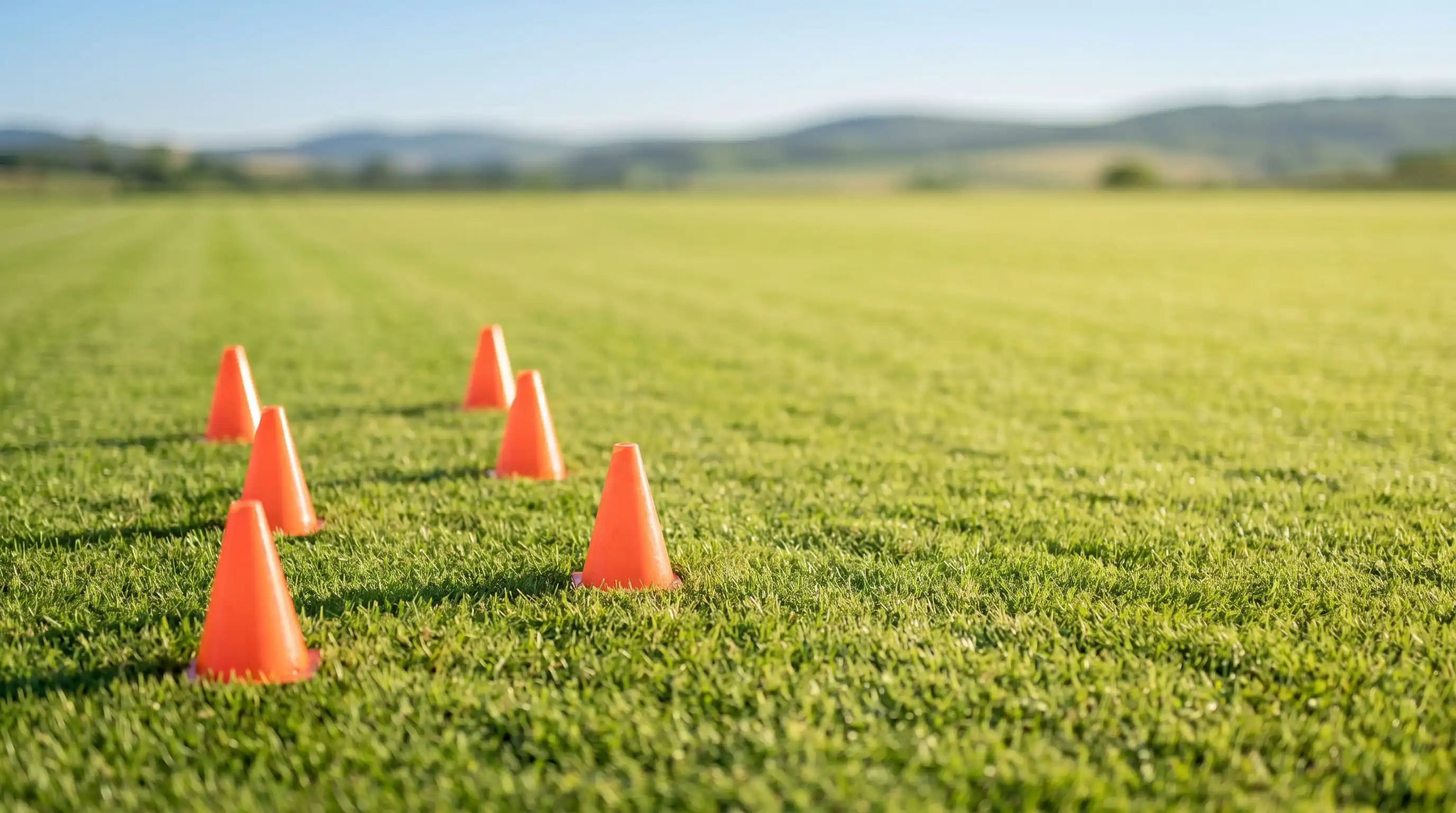
How Professional Football Fields Improve Player Safety And Performance
Professional football fields use consistent playing surfaces, shock absorption, traction, efficient drainage, and lighting to make the playing field safer and better. Properly engineered sports surfaces can be used in a school, sports academy, club, or municipality to lower the risk of injury and offer an environment where athletes can perform to their full potential.
Football's popularity continues to rise in the UAE, and the owners of facilities are more keen than ever on investing in quality sports infrastructure. However, many still underestimate the impact of field design, material choice, and maintenance on the development of athletes.
A professional football facility isn't just artificial turf. A well-designed sports system that allows players to move freely, enhances sports quality, and is designed to withstand the challenging UAE weather.
This article will explain the ways professional football fields enhance safety, athletic performance, and the long-term value of the facilities.
Table of Contents
· What Makes a Football Field Professional?
· How Professional Football Fields Improve Player Safety
· How Professional Football Fields Enhance Athletic Performance
· The Role of Modern Turf Technology
· Why Maintenance Is Essential for Long-Term Safety
· Key Considerations for Football Facilities in the UAE
· Choosing the Right Sports Infrastructure Contractor
· Conclusion
· FAQs
What Makes a Football Field Professional?
A professional football field is constructed under existing sports facility standards and integrates several systems that function cohesively to provide safety, durability, and performance.
Many people think of only the turf surface when it comes to an installation, but a professional installation is much more than that.
High-Performance Turf Systems
The playing surface is the most important component of any football facility.
Modern sports surfaces often include:
· Monofilament artificial turf fibers
· Performance infill systems
· Shock absorption layers
· Stabilized sub-base construction
· Precision line markings
These components work together to create predictable ball behavior and consistent player movement.
Engineered Drainage Systems
Drainage is one of the most overlooked aspects of sports facility construction.
Without proper drainage, facilities may experience:
· Surface water accumulation
· Slippery conditions
· Turf deterioration
· Uneven playing areas
· Increased maintenance costs
Professional drainage systems help ensure that the surface stays playable year-round as well as continues to perform better over time.
Professional Lighting Infrastructure
Lights directly affect safety and performance.
Modern sports lighting systems are engineered to provide:
· Uniform illumination
· Reduced glare
· Better ball visibility
· Improved player awareness
· Safer evening training sessions
FIFA recommendations focus on the distribution of lighting, as it will be a significant factor in player reaction time and decision-making.
Supporting Sports Infrastructure
A professional football facility extends beyond the playing surface itself.
Important supporting elements include:
· Safety fencing
· Sports nets
· Team benches
· Player access pathways
· Goal systems
· Protective barriers
These components contribute to the safety as well as the efficiency of operation.
How Professional Football Fields Improve Player Safety
One of the main reasons organizations install professional football fields is to keep players safe.
A well-designed surface can minimize unnecessary risks and provide a more predictable environment for training and competition as well.
Better Shock Absorption
During a football match, players must continually sprint, jump, tackle, and change direction.
These movements place significant stress on:
· Knees
· Ankles
· Hips
· Lower back
· Muscles and tendons
Professional sports surfaces can have shock pad systems under the turf layer.
These systems absorb impact forces and minimize repetitive stresses to the body, particularly in facilities with heavy daily usage.
Reduced Slip and Trip Hazards
Sports injuries are often caused by uneven playing surfaces.
Professional football fields are engineered to maintain:
· Surface consistency
· Uniform traction
· Stable footing
· Level playing conditions
If athletes have confidence in the surface under their feet, then they can move with a natural movement pattern without having to adjust for irregularities.
Improved Visibility
Poor visibility can increase collision risks and delay player reactions.
Professional lighting systems improve:
· Ball tracking
· Spatial awareness
· Peripheral vision
· Team communication
· Match safety
This is particularly crucial in the UAE, where training sessions and matches are often scheduled in the evening in order to prevent the scorching heat during the day.
Consistent Playing Conditions
Professional football fields are engineered to provide consistent performance across the entire surface.
This consistency allows athletes to:
· Judge ball movement accurately
· Maintain stable footing
· Execute skills confidently
· Reduce unnecessary movement adjustments
Predictable playing conditions are one of the most important factors in reducing avoidable injuries.
Request a Free Site Assessment. Planning a football field or upgrading your facility? Talk to the Forsan Alamal Alsarea team to check your site and find the right surface, drainage, and lighting solution.
How Professional Football Fields Enhance Athletic Performance
Safety and performance are closely connected.
When players are confident in their playing environment, they are able to concentrate on technical execution, tactical decisions, and their physical performance without being distracted.
Better Ball Control and Movement
The quality of a sports surface influences how the ball behaves during play.
A professionally constructed facility provides:
· Predictable ball roll
· Consistent bounce
· Improved passing accuracy
· Better technical control
These characteristics improve the playing experience for athletes at all levels.
Improved Traction and Stability
Modern football requires explosive movements and rapid changes in direction.
Professional football fields are designed to deliver balanced traction that supports:
· Sprint acceleration
· Controlled stopping
· Directional changes
· Stability during competition
Lack of traction leads to slips, and an excess may increase stress on the joints. Good engineering will help keep the balance correct.
Enhanced Training Efficiency
Athlete development depends on consistent training conditions.
Professional facilities allow coaches to conduct:
· Technical drills
· Tactical sessions
· Fitness training
· Match simulations
These activities can be carried out more consistently throughout the year.
Greater Player Confidence
Confidence often affects performance as much as physical ability.
Athletes perform better when they trust:
· The playing surface
· Lighting conditions
· Ball behavior
· Overall facility quality
A reliable sports environment allows players to concentrate on performance rather than on the possible hazards.
The Role of Modern Turf Technology
Artificial turf technology has evolved a great deal over the past two decades.
Today’s professional football fields are designed to deliver improved durability, comfort, and performance compared to earlier generations of synthetic surfaces.
Monofilament Turf Systems
High-quality monofilament fibers are designed to withstand:
· Heavy foot traffic
· UV exposure
· High temperatures
· Frequent training sessions
These systems help maintain their appearance and performance characteristics for longer periods.
Shock Pad Integration
The use of shock pads under a turf system to provide the player a greater sense of comfort and safety has become more prevalent.
Benefits include:
· Better impact absorption
· Enhanced comfort
· Reduced stress on joints
· More consistent playing characteristics
For high-use sports facilities, shock pads provide an important additional layer of protection.
Climate Performance in the UAE
Sports infrastructure in the UAE faces unique environmental challenges.
Surface materials must withstand:
· Extreme summer temperatures
· Intense UV exposure
· Heavy usage throughout the year
· Dust and environmental wear
The materials used in a facility are important in determining its performance over time.
That is why, before installation, experienced sports infrastructure specialists carefully evaluate the specification of the turf, particularly in a GCC project where environmental stresses to sports surfaces are much greater.
Integration with Multi-Sport Facilities
In many modern sports complexes, the football facilities are integrated with other sports infrastructure to achieve maximum utilization and return on investment.
Examples include:
· Padel Courts
· Running Tracks
· Sports Flooring systems for indoor facilities
· Sports Equipment installations
This integrated approach creates complete sports environments capable of serving multiple user groups.
Why Maintenance Is Essential for Long-Term Safety
Without proper maintenance, even the finest facility will lose its performance.
Maintenance is not only a cosmetic task. It has a direct impact on safety, usability, and lifecycle expenses.
Routine Surface Grooming
Regular brushing helps:
· Maintain fiber position
· Prevent surface compaction
· Improve appearance
· Preserve playing quality
Fiber flattening caused by poor grooming can result in poor ball roll consistency and player traction.
Infill Management
Over time, infill materials may shift or compact.
Routine maintenance ensures:
· Consistent shock absorption
· Stable footing
· Uniform surface performance
Uneven infill distribution can affect shock absorption and increase strain on player joints.
Surface Inspections
Regular inspections help identify:
· Worn areas
· Damaged seams
· Drainage problems
· Surface inconsistencies
In addition to reducing the safety risk, early detection of surface problems will also increase the overall lifespan of the field.
Drainage System Maintenance
Blocked drainage systems can significantly reduce field performance.
Routine inspections ensure efficient water management and help preserve surface quality throughout the year.
In sports field engineering, drainage failure is widely recognized as one of the most common causes of early turf degradation and reduced system lifespan.
Get a Custom Sports Facility Quote. From football fields to running tracks and padel courts, Forsan Alamal Alsarea provides complete sports infrastructure solutions designed for UAE conditions.
Key Considerations for Football Facilities in the UAE
Building successful sports infrastructure in the UAE requires more than simply installing turf.
Material Selection
Materials must be selected based on:
· Climate conditions
· Usage levels
· Maintenance requirements
· Performance objectives
For instance, high-quality monofilament turf often performs better under heavy foot traffic and in the most intense UV exposure when compared to lower-quality alternatives.
Drainage Planning
Rainfall is not that much, but drainage is still important.
Poorly designed systems can easily be revealed by unexpected storms and irrigation needs.
Long-Term Maintenance Strategy
Owners of facilities should think about maintenance requirements at the planning phase and not after the construction is completed.
A proactive maintenance strategy helps protect both performance and investment value.
Compliance and Standards
Professional football fields should align with recognized sports facility standards and FIFA-recommended performance requirements wherever applicable.
Compliance helps ensure:
· Safer playing conditions
· Better performance
· Greater durability
· Higher facility credibility
Choosing the Right Sports Infrastructure Contractor
The success of any sports facility project depends heavily on contractor expertise.
Technical Knowledge
Look for experience in:
· Sports construction
· Surface engineering
· Drainage systems
· Sports lighting
· Equipment installation
Material Quality
Premium materials generally offer:
· Longer lifespan
· Better performance
· Reduced maintenance requirements
Project Experience
Experienced contractors understand:
· Site preparation challenges
· Construction methodologies
· Climate considerations
· Long-term maintenance requirements
Turnkey Capabilities
A contractor who is able to offer solutions for football facilities, running tracks, padel courts, sports flooring, and sports equipment solutions can provide better project coordination and long-term support.
Conclusion
To wrap up, professional football fields are very important for not only player safety but also athletic performance. These facilities are designed to provide a safe and reliable environment for athletes through engineered turf systems, shock absorption layers, effective drainage, quality lighting, and proper maintenance.
High-quality sports infrastructure is not only an operational expense for schools, academies, municipalities, sports clubs, and investors. This is an investment in the long-term development of athletes, enhancement of facility performance, and user satisfaction.
Football participation is increasing, and professionally designed facilities are an important element in offering safe, fun, and performance-based sporting experiences across the UAE.
Planning a new sports facility? It's a great time to invest in a setup that is safe, efficient, and sustainable. Forsan Alamal Alsarea can help you build it the right way.
FAQs
Q. Why is a professional football field safer than a standard playing field?
A. Professional football fields are safer since they have engineered systems of turf, shock absorption layer, adequate drainage, and routine maintenance. When combined, they can minimize injuries and help provide a more stable, predictable playing area for players.
Q. How do professional sports surfaces improve player performance?
A. They improve performance by providing consistent ball behavior, reliable traction, and stable footing. This helps players focus on their skills, movement, and decisions instead of worrying about the surface.
Q. Which kind of turf is used in modern football grounds?
A. Most modern facilities use high-quality monofilament artificial turf designed for durability and performance. It feels natural underfoot, supports heavy use, and maintains long-term stability.
Q. How important is lighting for football facilities?
A. Lighting is very important because it improves visibility, reaction time, and overall safety during training or matches. It also helps players follow the ball easily and reduces the chance of mistakes or collisions.
Q. What maintenance is required for artificial turf surfaces?
A. Basic maintenance includes brushing, infill adjustment, surface cleaning, drainage checks, and regular inspections. These steps help keep the field safe and maintain consistent performance.
Q. Are professional football fields suitable for the UAE weather conditions?
A. Yes, they are built to handle extreme heat, UV exposure, and year-round usage. With proper materials and maintenance, they perform reliably in UAE conditions.
Q. How long does a professionally installed football field last?
A. Its lifespan depends on usage, material quality, and maintenance. With proper care, professional football fields are designed to last for many years with consistent performance.
Q. What other sports facilities are commonly developed alongside football venues?
A. Many sports complexes also include padel courts, running tracks, sports flooring systems, and equipment installations, creating a complete multi-sport setup.