
10 Key Factors To Consider When Constructing Basketball Courts In The UAE
Explore 10 important factors for UAE basketball courts construction. This guide explains climate, design, materials, safety, and compliance requirements.
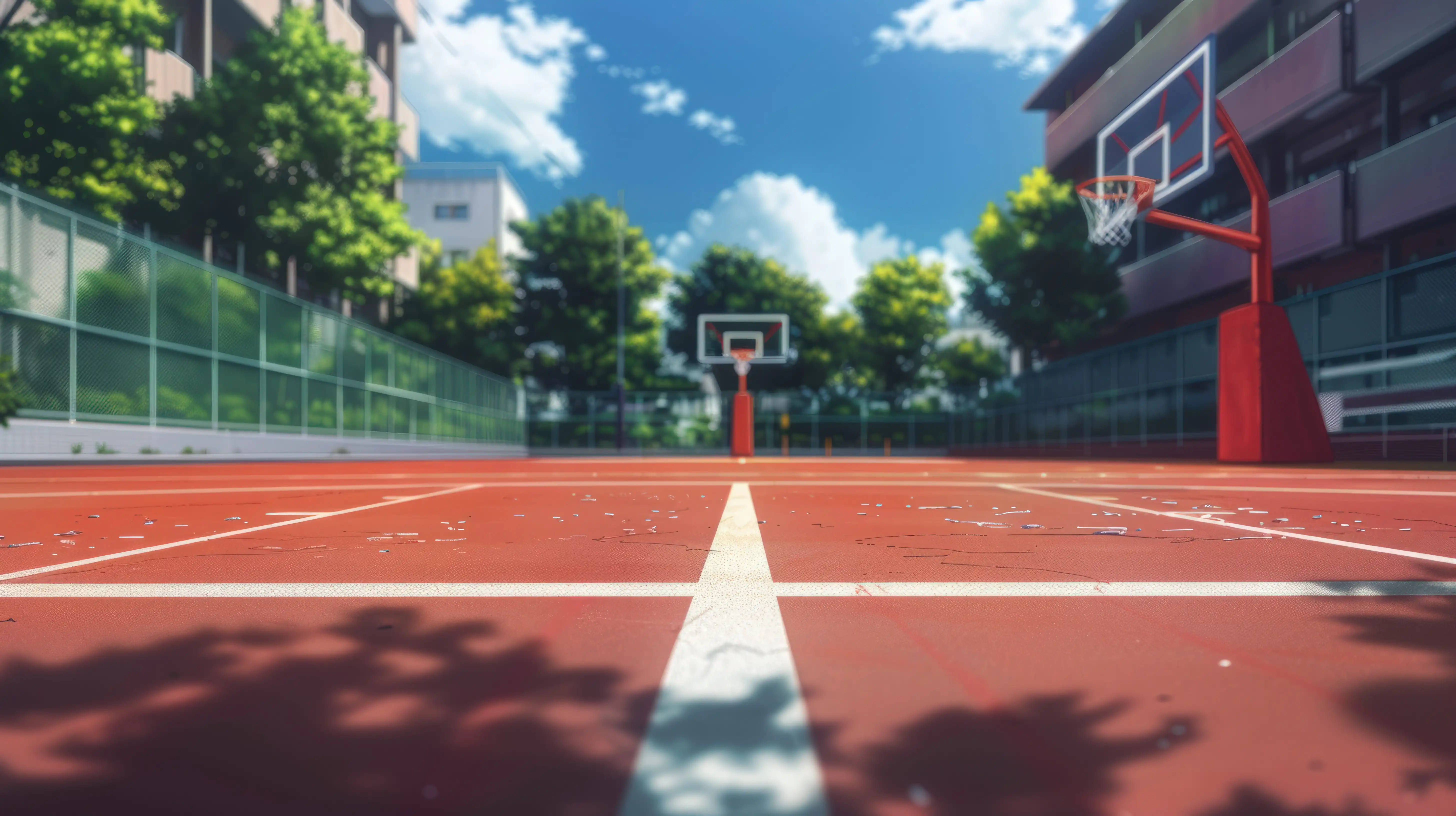
10 Key Factors To Consider When Constructing Basketball Courts In The UAE
Constructing basketball courts in the UAE demands precise engineering, climate-suitable preparation, and top-quality sports materials. Courts are directly affected by the region's extreme heat, UV exposure, dust, and sometimes rain, which affects their durability, their safety, and their long-term performance. In many UAE projects, we have observed that even small miscalculations in base preparation or material selection can significantly reduce court lifespan under harsh weather conditions.
A basketball court is not just a playing surface but a fully engineered sports infrastructure system that includes sub-base preparation, drainage layers, flooring systems, lighting design, fencing, and safety features. These are planned in line with internationally recognized sports construction standards such as FIBA recommendations and local UAE municipal requirements to ensure long-term durability, safety, and consistent performance under continuous use.
The article outlines the 10 main considerations when building a basketball court in the UAE, while providing developers and owners with the technical information needed in order to make informed decisions and to achieve long-lasting performance based on real construction practices in the region.
In modern developments in the UAE, basketball courts are often integrated with football fields, running tracks, and other sports facilities, forming a complete and well-rounded recreational setting to cater to community as well as professional training requirements.
If you are planning a basketball court in the UAE, Forsan Alamal Alsarea provides end-to-end turnkey solutions designed based on field-tested construction methods, climate resistance strategies, and long-term performance engineering used in UAE sports infrastructure projects.
Table of Contents
- Why Proper Planning Is Essential
- 10 Important Factors to Consider When Building Basketball Courts in the UAE
- Common Mistakes in Construction of Basketball Courts
- Benefits of Professional Basketball Court Construction
- Conclusion
- FAQs
Why Proper Planning Is Essential
Proper planning is the foundation of durable basketball courts in the UAE. Without correct engineering, even high-quality materials fail under extreme heat, UV radiation, and environmental stress.
Poor planning leads to:
• Surface cracking due to thermal expansion
• Water accumulation from weak drainage design
• Uneven flooring and inconsistent ball bounce
• Rapid fading of court markings under UV exposure
• Higher maintenance and repair costs over time
On the other hand, well-planned basketball courts ensure:
• Long-term structural stability
• Consistent playing performance
• Improved safety for players
• Reduced maintenance requirements
• Better return on investment for facility owners
In real UAE conditions, planning mistakes are usually not visible immediately. They start appearing after months of use when heat expansion and dust exposure begin affecting surface performance. That is why experienced engineers always treat planning as the most important phase of the entire project.
In most cases, planning errors are not visible immediately but appear after repeated heat cycles and seasonal exposure.
10 Important Factors to Consider When Building Basketball Courts in the UAE
Before getting into the technical aspects, it is important to realize that constructing a basketball court is a multi-layered engineering process. All parts of the process, from ground preparation to the final coating on the surface, have a direct impact on durability as well as quality of gameplay and long-term safety.
Each factor below plays a critical role in ensuring that basketball courts perform well under UAE environmental conditions and remain functional for years without major repairs.
Each layer must be engineered carefully because failure in even one component, such as base compaction or drainage, can affect the entire court performance.
1. Climate and Environmental Conditions
The UAE climate is regarded as one of the most challenging conditions for outdoor sports facilities.
Key challenges include:
• Extreme summer heat
• High UV radiation levels
• Sand and dust accumulation
• Occasional rainfall and moisture exposure
To ensure durability, courts must include:
• UV-resistant acrylic coatings
• Heat-reflective surface systems
• Anti-fade line marking technology
• Dust-resistant protective finishes
Proper climate adaptation also includes selecting materials that can expand and contract without losing structural integrity. This prevents early cracking and surface deformation.
In UAE climate conditions, we have seen that improper material selection or lack of climate engineering can reduce court lifespan significantly. Proper design that suits the actual site conditions allows for long-lasting durability, stable performance of play, and lower maintenance expenses.
2. Indoor vs Outdoor Basketball Courts
Choosing between indoor and outdoor basketball courts affects cost, usage, and maintenance requirements.
Indoor courts:
• Controlled temperature and humidity
• Professional training environment
• Higher installation cost
• Ideal for academies and professional sports
Outdoor courts:
• Cost-effective solution
• Suitable for schools and communities
• Exposed to weather conditions
• Requires weather-resistant materials
Outdoor courts must always be designed for heat, UV, and dust resistance in UAE conditions.
In UAE projects, selecting the appropriate court type during the planning phase is crucial. Experience has proved that technical planning from the beginning eliminates redesigning and ensures that the facility is used efficiently for the purpose it was designed for, be it a training academy, school, or a public recreation site.
3. Sub-Base and Drainage System
The sub-base is the structural backbone of any basketball court. If it is weak, the entire system will fail over time.
Proper construction includes:
• Soil testing and compaction
• Layered structural base preparation
• Reinforced concrete base (100–150 mm)
• Engineered slope (0.5%–1%)
Drainage system includes:
• Surface runoff channels
• Sub-surface drainage pipes
• Edge water diversion systems
These methods are implemented following standard civil engineering practices used in UAE sports infrastructure projects to ensure long-term stability under extreme weather conditions.
4. Sports Flooring System Selection
The flooring system directly affects safety, performance, and maintenance.
Acrylic Flooring (Outdoor)
- UV resistant
- Slip resistant
- Low maintenance
- Ideal for UAE weather
Synthetic Rubber Flooring
- Shock absorption
- Injury reduction
- Comfortable play experience
Hardwood Flooring (Indoor)
- Professional performance
- High ball rebound quality
- Premium appearance
Material selection is based on internationally tested sports flooring performance standards to ensure resistance against UV exposure, heat, and heavy usage conditions.
5. Court Dimensions and Layout Standards
Standardization ensures fair play and safety in all professional basketball courts.
Standard Dimensions:
- Length: 28 meters
- Width: 15 meters
Additional Requirements:
- Minimum 2-meter safety run-off zone
- Clear boundary markings
- Obstruction-free surroundings
Proper layout planning also supports integration with other sports facilities like running tracks and recreational zones.
6. Court Orientation and Sun Exposure
Proper orientation improves gameplay experience.
Recommended:
• North–South alignment
Benefits:
• Reduces glare
• Improves visibility
• Reduces heat exposure
This seemingly minor detail can make a big difference to player comfort, particularly during the peak hours in summer in the UAE.
7. Lighting Design and Visibility Systems
Lighting ensures safe night usage.
Requirements:
• Uniform brightness
• Low glare
• Shadow-free coverage
Recommended:
• LED sports lighting
Proper lighting provides better visibility and also has a positive impact on a player's reaction time and fatigue during extended games.
8. Player Safety Features
Safety features are essential in modern sports infrastructure.
Key safety components include:
• Breakaway rims
• Tempered glass backboards
• Pole padding
• Anti-slip surfaces
These features are especially important for schools and public sports facilities where different age groups use the same court.
9. Fencing and Enclosure Systems
Fencing improves security and usability.
Benefits:
• Prevents ball loss
• Protects surroundings
• Improves facility control
Good fencing will make sure that the game continues without interruption and prevent nearby infrastructure from accidental impact.
10. Regulations and Accessibility Compliance
Compliance ensures smooth project approval.
Includes:
• Municipality approvals
• Zoning compliance
• Accessibility routes
• Safety standards
Early planning of compliance is essential in order to prevent delays and ensure that the project is executed smoothly from start to finish.
Common Mistakes in Construction of Basketball Courts
Many basketball court failures in the UAE come from avoidable construction and planning errors. These mistakes usually don’t show immediately but become visible after a few months of usage, especially under harsh weather conditions.
1. Ignoring Drainage Design
One of the most frequent and expensive mistakes is poor drainage. Even light rain or irrigation water begins to pool on the surface without the proper slope and water outlet systems. This causes the base to become weak over time, forms surface cracks, and decreases the quality of play.
2. Using Low-Quality Materials
Some projects go with cheaper flooring or coating materials to keep the initial cost low, but this will mean that the flooring material will wear out fast when exposed to UV rays and high temperatures. The surface becomes less safe for players; it loses grip, and the surface fades much sooner than it should.
3. Incorrect Orientation
If the court is not aligned properly, players often face direct sunlight during peak hours. This creates glare issues, reduces visibility, and affects gameplay accuracy, especially in outdoor facilities.
4. Weak Sub-Base
A poorly prepared or uneven sub-base leads to sinking areas and surface deformation. Once the base is compromised, the entire court structure becomes unstable and expensive to repair.
5. Poor Lighting Design
Poor lighting results in uneven brightness and shadows throughout the court. This reduces night-time usability and increases the risk of player injuries during fast movement.
Benefits of Professional Basketball Court Construction
Besides being functional, a professionally constructed basketball court provides numerous long-term benefits. It guarantees performance, safety, and durability in real UAE environmental conditions.
1. Long-Term Durability
With proper engineering and quality materials, basketball courts can easily last 10–15 years. This reduces frequent repair needs and keeps the surface stable over time.
2. Improved Player Safety
Professional construction involves the use of anti-slip surfaces, impact-friendly materials, and appropriate equipment installation, minimizing the risk of injury during gameplay.
3. Better Gameplay Performance
A good court will offer consistent ball bounce, stable grip, and a smooth surface response, which also enhances both training and competitive performance.
4. Lower Maintenance Costs
High-quality construction reduces long-term maintenance requirements, meaning fewer repairs, resurfacing needs, and operational interruptions.
5. Higher Property Value
A professionally installed basketball court increases the value of residential, educational, and commercial properties and makes it more appealing to use and invest in.
6. Multi-Sport Integration
In modern facilities, basketball courts are frequently integrated with football fields, padel courts, or running tracks, enhancing the use of space and the efficiency of the facilities.
Conclusion
To conclude, the building of basketball courts in the UAE demands careful planning, the correct engineering work, and climate-specific design. Each element, ranging from drainage to sub-base, flooring, lighting, and compliance, is crucial in maintaining long-lasting durability and safety performance.
A well-built basketball court is more than just a playing surface; it's a long-term investment that contributes to the development of sport, the vitality of the community, and the value of the facilities. In UAE climate conditions, correct engineering is not an option, but it directly affects the lifetime of the facility without major repairs.
For a reliable basketball court in the UAE, Forsan Alamal Alsarea offers complete end-to-end construction solutions, based on practical engineering experience in UAE climate conditions, to ensure the durability, safety, and long-term performance of all project types.
FAQs
Q. What is the standard size of a basketball court?
A. The length of a standard basketball court is 28 meters, and the width is 15 meters. This is used internationally for fair play and ample room for players to move around during fast-paced games.
Q. What type of flooring is ideal for outdoor basketball courts in UAE?
A. Acrylic flooring is typically the most ideal option for outdoor courts in the UAE. Though it requires little maintenance, is safe and durable, resists extreme heat, and gives non-slip traction, all while resisting UV damage.
Q. Why is drainage important in basketball court construction?
A. Proper drainage helps prevent water from collecting on the surface. Without it, water can damage the base, cause cracks, and reduce the overall lifespan of the court.
Q. How long do basketball courts last?
A. On average, well-built basketball courts can last around 10 to 15 years. With regular maintenance and occasional resurfacing, it can last even longer.
Q. Can basketball courts be used at night?
A. Yes, they can be used at night as long as proper LED lighting is installed. Good lighting ensures clear visibility, reduces shadows, and makes the game safer for players.
Q. Are permits required for basketball court construction in the UAE?
A. Yes, in most cases you’ll need approval from the local municipality. These permits make sure the project follows safety rules and construction standards.
Q. What are the most common problems in poorly built courts?
A. Poorly built courts tend to have cracking, uneven surfaces, faded surfaces, drainage and lighting problems. These typically occur as a result of poor materials or improper installation.